
How can secondary education help young people understand the interconnected nature of climate change, migration, and the social transformations shaping the 21st century?
This was one of the key questions guiding the field research conducted as part of the project Climate Migration in Education: Innovative Teaching Media for Understanding Intersectional Crises (KlimEd), which took place in Dalmatia from 22 to 25 June 2026.
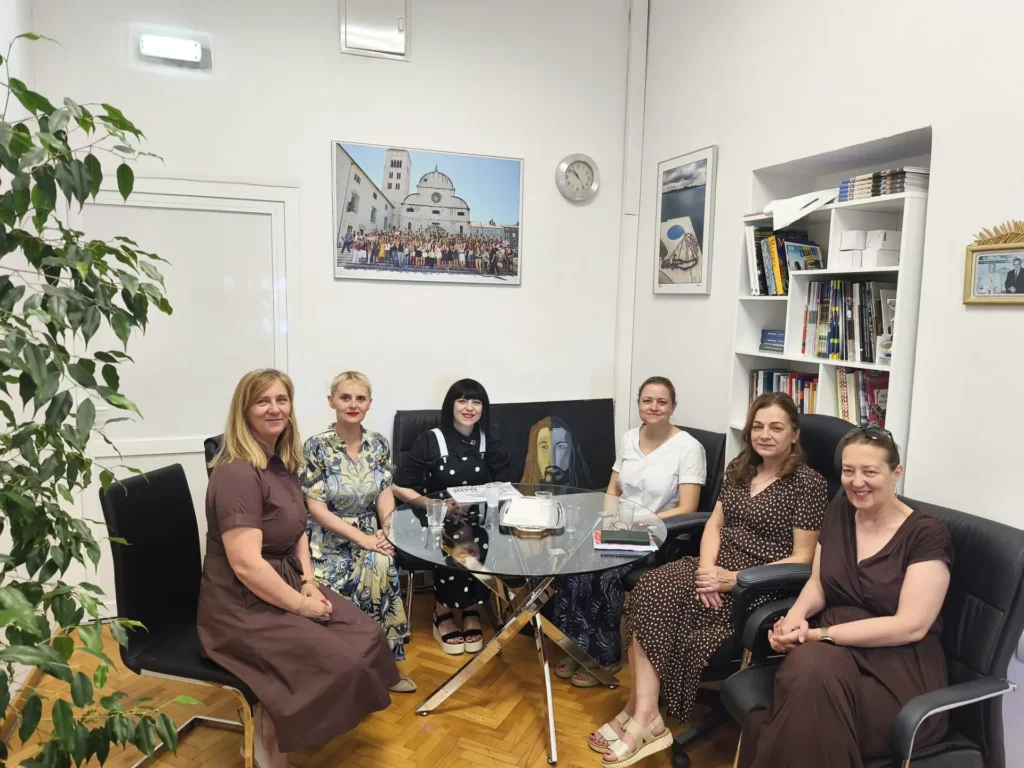
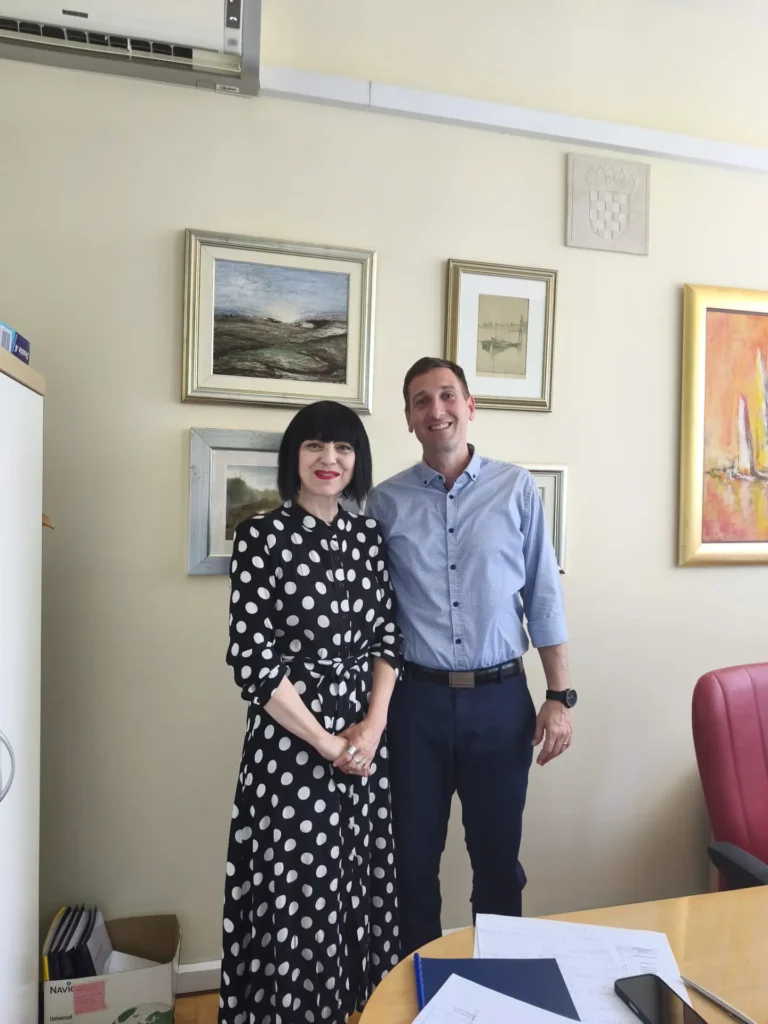
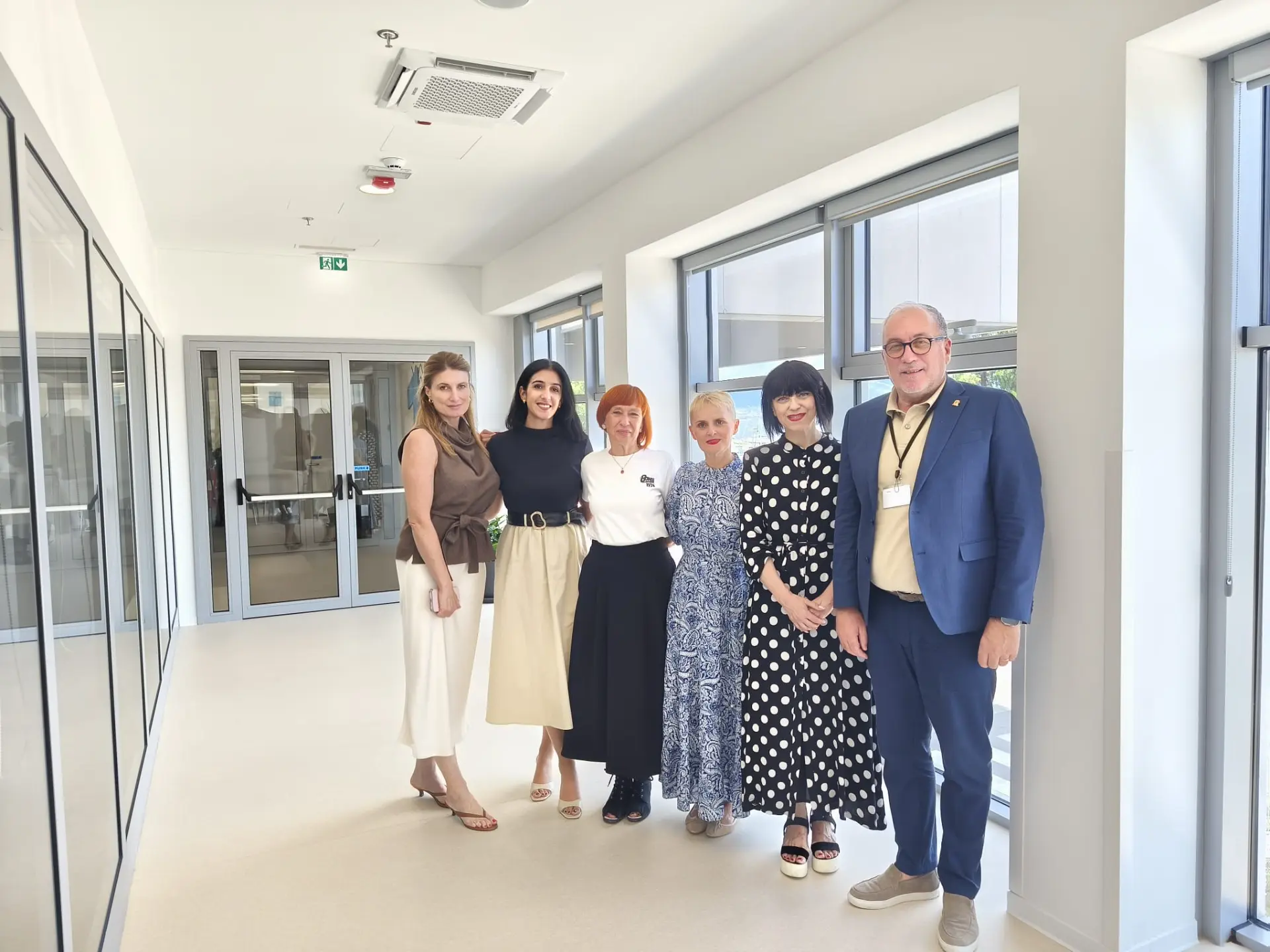
The field research was carried out by Dr Mirela Holy, Principal Investigator of the KlimEd project, and Dr Marija Geiger Zeman of the Institute of Social Sciences Ivo Pilar. During their four-day visit, they met with principals and teachers from secondary schools in Zadar, Split, and Trogir to present the project and establish long-term cooperation with educational institutions.
The following schools participated in the field visits:
Zadar (23 June 2026)
- School of Applied Arts and Design Zadar – Principal Marjana Bakmaz
- Natural Sciences and Graphic Arts School Zadar – Principal Anamarija Ivković
- Vladimir Nazor Grammar School – Principal Sandra Šango
- Juraj Baraković Grammar School Zadar – Principal Jelena Marasović Štefančić
Split (24 June 2026)
- School of Tourism and Hospitality Split – Principal Ivo Bilić
- School of Economics and Administration Split – Principal Marin Musulin
- III Grammar School Split (Science and Mathematics Grammar School) – Principal Deana Bokšić
- Natural Sciences School Split – Principal Marija Pustak
Trogir (25 June 2026)
- Ivan Lucić Secondary School Trogir – Principal Vjekoslava Radić
At each meeting, the KlimEd project, its objectives, and its planned activities were presented. Particular emphasis was placed on the development of innovative teaching media and educational resources designed to help students understand the complex relationships between climate change, migration, and other intersectional societal challenges.
The schools were also introduced to opportunities for participating in various project activities throughout the three-year implementation period, including:
- conducting semi-structured in-depth interviews with teachers,
- participating in a questionnaire survey for teachers,
- taking part in professional workshops, and
- signing cooperation agreements that will provide a framework for future collaboration between the KlimEd project and educational institutions.
During the field visits, agreements were reached to conduct approximately ten in-depth interviews with teachers, which will be held online via Zoom during July 2026.
The field research represents an important component of the participatory approach adopted by the KlimEd project. Rather than viewing schools merely as research sites, the project recognises them as equal partners in the development of innovative educational models. Through collaboration among researchers, teachers, and school principals, KlimEd seeks to develop teaching approaches that foster critical thinking, resilience, empathy, and a deeper understanding of the global challenges associated with climate change and climate migration.
We would like to express our sincere gratitude to all school principals, teachers, and educational support staff for their warm welcome, openness to dialogue, and willingness to collaborate. We look forward to continuing our joint activities and developing educational solutions that will better prepare students for the challenges of a rapidly changing world.